Open Banking, Explained.
How open banking is dismantling financial silos — and why it puts real power back in the hands of everyday users.

Image Source.
Bank of America
For decades, financial systems have operated behind locked doors — controlled by institutions that decided who could access capital, on what terms, and when. But that era is ending. Decentralised technology, open banking, and shifting global regulations are dismantling the walls that once kept billions of people locked out. What's emerging in its place is something more transparent, more accessible, and far harder to gatekeep. The closed financial system isn't just evolving — it's being replaced.
For decades, your financial data sat locked inside your bank — invisible to you and inaccessible to anyone who could actually help you use it better. Open banking changes that. Through regulated APIs, banks are now required to share your data (with your consent) with third-party apps.

Image Source.
Pexels
Open banking isn't just a technical shift happening somewhere in the background — it has direct, practical consequences for how you manage your money every day. It means better budgeting apps that actually see your full financial picture. It means faster loan decisions based on real data, not outdated credit scores. It means switching accounts without the usual friction. Simply put, it hands you visibility and control over your own finances that the old system never offered.
Open banking unlocks a new class of financial tools: real-time affordability checks, automated savings that move money based on your behaviour, and personalised loan rates built from your actual income history rather than a blunt credit score. Apps built on open banking rails
Privacy & Security
hibo.com

Image Source.
Google Deep Mind
Under the old system, your financial data belonged to your bank — full stop. They decided who saw it, how it was used, and what it was worth. Open banking flips that dynamic entirely. You choose which apps and services can access your information, and you can revoke that permission at any time. Your spending habits, income patterns, and financial behaviour become tools that work for you, not assets quietly monetised by institutions without your knowledge.
Open banking is consent-first by design. You choose which apps can access which accounts, for how long, and you can revoke access instantly. Regulated providers operate under strict FCA, PSD2, or equivalent oversight — meaning they must meet high security standards and cannot sell your data to advertisers.
Read More
More from the
Hibo Blog.
The insights don't stop here. The Hibo blog covers everything from open banking explainers to market trends — so you always have the context you need to make smarter decisions with your money.
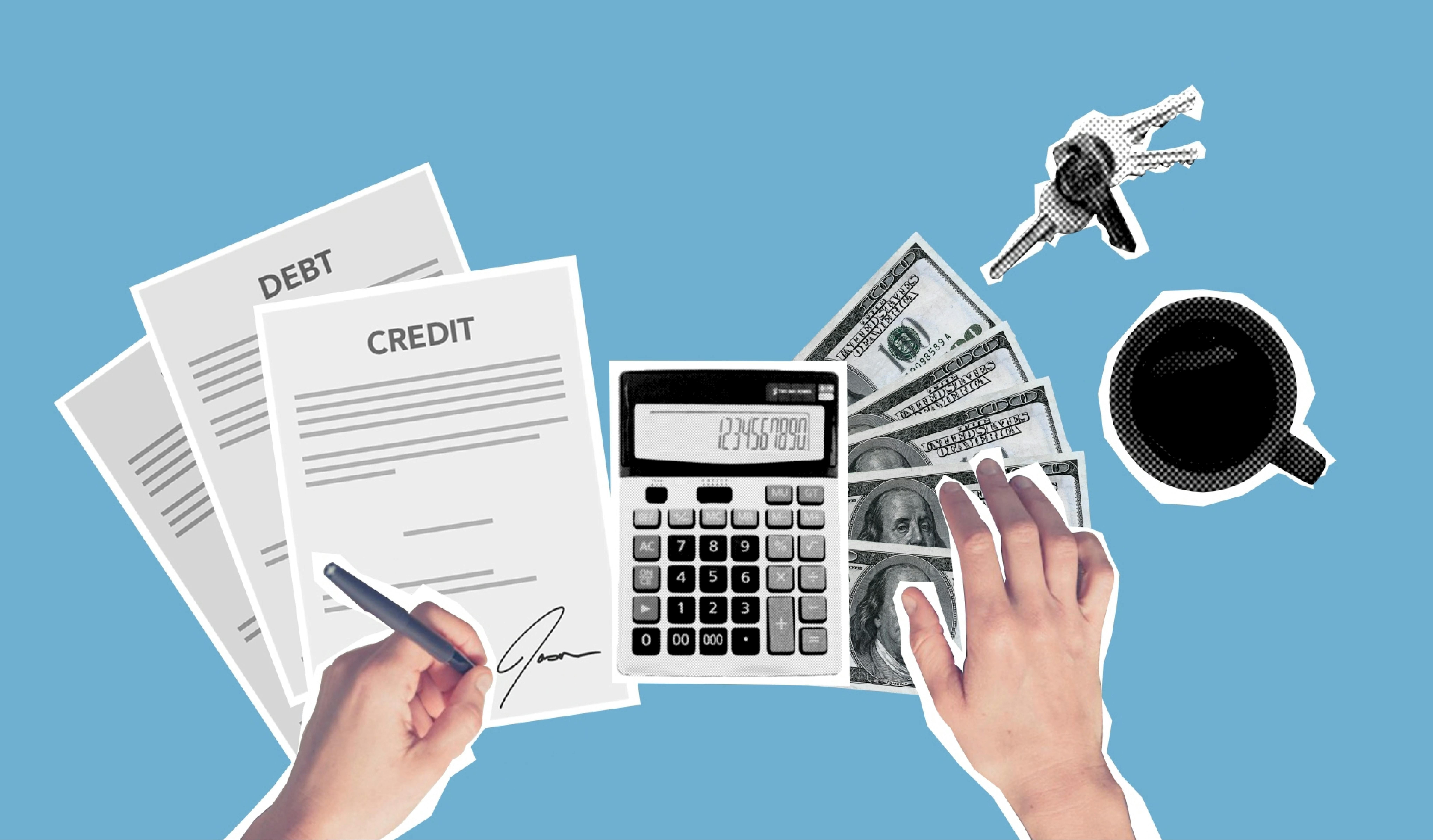
16 Jun 2025
AI Budgeting That Works.
Why the latest generation of AI-powered finance tools finally makes budgeting effortless — and what to look for in an app.

24 Mar 2025
Building Credit From Zero.
The modern approach to establishing a strong credit profile — using the fintech tools that actually move the needle.

7 Jan 2025
Money Inside Everything.
Embedded finance is quietly reshaping how we pay, borrow, and save — and it's happening inside apps you already use every day.